By using this site, you agree to the Privacy Policy and Terms of Use.
Accept
BrinkeraBrinkeraBrinkera
  • HOME
  • NEWS
    • SECURITY
    • SOFTWARE
    • PRIVACY
    • TECH
    • GADGET
  • EMAIL
    • BEST SECURE EMAIL SERVICES
    • PROTON MAIL REVIEW
    • STARTMAIL REVIEW
    • TUTA MAIL REVIEW
  • PASSWORD
    • NORDPASS REVIEW
    • PROTON PASS REVIEW
  • VPN
    • BEST VPN SERVICES
    • VPN REVIEWS
      • NORDVPN REVIEW
      • SURFSHARK VPN REVIEW
      • PROTON VPN REVIEW
  • MESSAGING
Search
© 2026 Brinkera – Latest Cybersecurity and Tech News, Research & Analysis. | About Us | Privacy Policy | Terms of Use
Reading: Criminals Use HTML Tables to Generate Deceptive QR Codes That Evade Email Security Systems
Share
Notification Show More
Font ResizerAa
BrinkeraBrinkera
Font ResizerAa
Search
  • NEWS
  • SECURITY
  • SOFTWARE
  • PRIVACY
  • Tech
  • Gadget
  • Crypto
  • Editorial
  • Entertainment
  • VPN
    • BEST VPN SERVICES
    • NORD VPN REVIEW
    • SURFSHARK VPN REVIEW
    • PROTON VPN REVIEW
  • EMAIL
    • PROTON MAIL REVIEW
    • TUTA MAIL REVIEW
Follow US
© 2026 Brinkera – Latest Cybersecurity and Tech News, Research & Analysis. | About Us | Privacy Policy | Terms of Use
Brinkera > News > Criminals Use HTML Tables to Generate Deceptive QR Codes That Evade Email Security Systems
NewsSecurity

Criminals Use HTML Tables to Generate Deceptive QR Codes That Evade Email Security Systems

Jennifer Hall
Last updated: January 15, 2026 3:59 pm
Jennifer Hall
Share
Deceptive QR code rendered in HTML displayed on email inbox with warning indicators
SHARE

Malicious actors have identified a technique to circumvent detection instruments protecting email correspondences from harmful QR codes. They’re presently inundating mailboxes with illegitimate QR codes built using markup language formatting, rather than traditional picture attachments.

Threat research specialists at the Internet Security Monitoring Division of SANS have identified a QR code-based deception effort that circumvents numerous existing threat mitigation measures.

Throughout the period spanning December twenty-second through December twenty-sixth, a “current sequence of deception communications” infiltrated their correspondence systems carrying markup language grid structures to display the QR codes, rather than the customary picture files.

“Resulting from the perpetual competitive environment inherent in digital protection, criminal organizations relentlessly devise approaches for circumventing multiple protective measures,” the investigation specialists state in their evaluation.
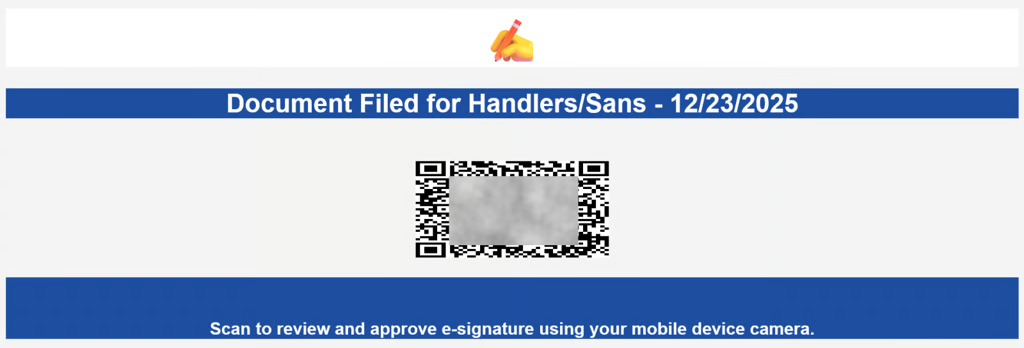
HTML table structure visualization showing how QR code pixels are created using HTML cells with black and white background colors

Each of the malignant communications displayed a straightforward format and merely included a handful of message elements coupled with the QR indicator. The phishing messages inspired customers to photograph the QR indicator to examine and confirm a file.

- Advertisement -

Every QR code component was mapped to a position within a 35-by-35 markup language grid, with coloring configured as either colorless or deep. The research group observed that from the perspective of recipients, QR indicators appeared fairly authentic. However, in their examination, the QR indicator was “marginally condensed.”

Should a customer photograph this type of QR indicator, they might be transported to harmful verification platforms that gather login information.

Despite the approach being previously documented, its contemporary application within functioning deception initiatives demonstrates that presumptions regarding malicious material distribution techniques might contain inaccuracies. Contemporary security instruments depend on analyzing pictures to identify QR indicators.

Sign Up For Daily Newsletter

Be keep up! Get the latest breaking news delivered straight to your inbox.

By signing up, you agree to our Terms of Use and acknowledge the data practices in our Privacy Policy. You may unsubscribe at any time.
Share This Article
Facebook Copy Link Print
Jennifer Hall
ByJennifer Hall
Follow:
Jennifer Hall is a seasoned cybersecurity writer and analyst specializing in the latest news and updates across antivirus software, ransomware threats, identity theft, and digital privacy. With over 12 years of experience in the tech industry, she has a keen eye for spotting emerging cyber threats and understanding how they impact both individuals and businesses.
Previous Article “Maduro capture” gains fresh significance as his Nike fleece goes out of stock
Next Article Data leak forum screenshot showing breach announcement with ASML company name and database claims ASML DATA BREACH HOAX BY THREAT ACTOR
- Advertisement -

You Might also Like

CryptoNews

Bitcoin advances two critical steps toward quantum and AI-powered future

Laura Mitchell
9 Min Read
Feeling lonely this Valentine's
CryptoNews

Feeling lonely this Valentine’s? Federal prosecutors issue crypto romance scam alert

Jennifer Hall
Jennifer Hall
4 Min Read
NewsSoftware

Discord Mass Exodus 2026: Why Users Switch to Matrix

Laura Mitchell
3 Min Read

About Us

  • About Us
  • Contact Us
  • Advertise with us

Categories

  • Security
  • Software
  • Privacy
  • Editorial
  • Crypto
  • Tech

Reviews

  • VPN Reviews 2026: Honest Testing and Analysis
  • Best Secure Email Services 2026
Subscribe to Our Newsletter
Subscribe to our newsletter to get our newest articles instantly!

BrinkeraBrinkera
Follow US
© 2026 Brinkera – Latest Cybersecurity and Tech News, Research & Analysis. | About Us | Privacy Policy | Terms of Use
Join Us!
Subscribe to our newsletter and never miss our latest news, podcasts etc..

Zero spam, Unsubscribe at any time.